Common Heating Issues
Your home’s heating system is one of the most crucial components in maintaining a safe and comfortable space throughout the winter. However, like any system, it can develop issues that impact performance, air quality, energy efficiency, and even safety.
Understanding the most common heating issues and their causes helps you recognize warning signs early, take preventive action, and know when it’s time to call in a professional HVAC technician from TC HVAC Services.
What are Common Heating Issues?
Uneven Heating
Uneven heating occurs when certain rooms in your home are too warm while others remain chilly. This typically results from inadequate insulation, leaky or unbalanced air ducts, blocked vents, or a single thermostat attempting to regulate multiple areas.A zoning system is often recommended for larger homes. Ignoring the above issue can strain your system, increase heat loss, and increase your home's energy consumption. It also increases the risk of mold, as colder rooms may remain damp. Addressing insulation gaps, sealing ducts, balancing airflow, and leveraging smart thermostats can restore consistent heating and improve comfort.
Cold Air
If you’re using a gas furnace, it could be a problem with the burner, pilot light, pilot light ignition, electric ignition system, hot surface ignitors, or a blocked flue pipe. For a heat pump, a refrigerant leak or incorrect defrost settings/reversing valve position could be the culprit. Left unchecked, this not only reduces comfort but also forces your system to run longer, wasting energy and shortening system longevity.
Won’t Turn On
When your heating system refuses to start, there may be a problem with its circuit breaker, thermostat, safety switch, shut-off valve, or ignition for gas units. For an electric furnace or electric heaters, faulty wiring or tripped fuses are common culprits.Sometimes, it’s as simple as dead thermostat batteries or a stuck limit switch. If the issue persists, it’s best to have TC HVAC Services professionals inspect it immediately, especially if you suspect gas, carbon monoxide, or electrical issues.
Short Cycling
Strange Noises
Banging, clanking, or squealing noises from your furnace or heat pump are signs of trouble. These sounds often come from loose parts, blower or draft inducer issues, or dirty burners. Ignoring them can lead to increased repair costs if the problem worsens.Rattling or squealing may also indicate belt issues, while banging could suggest problems with the burner or ignition. Catching these early with maintenance services prevents costly breakdowns.
High Energy Bills
Poor insulation or gaps in windows and doors can worsen heat loss. Seasonal tune-ups can help lower your energy bill and extend the life of your system. Not only are higher bills a strain on your wallet, but they also signal potential issues that can harm system longevity if left unaddressed.
Many of these problems can be prevented through regular maintenance, such as replacing air filters, sealing air ducts, clearing the condensate drain/condensate line on high-efficiency units, and scheduling seasonal tune-ups.
Having these done by a certified heating contractor from TC HVAC Services improves efficiency, ensures your family’s safety (with checks for carbon monoxide leaks and carbon monoxide detectors), and helps you avoid costly emergency repairs.
What are the Causes of Heating Issues?
Why Is My Furnace Blowing Cold Air?
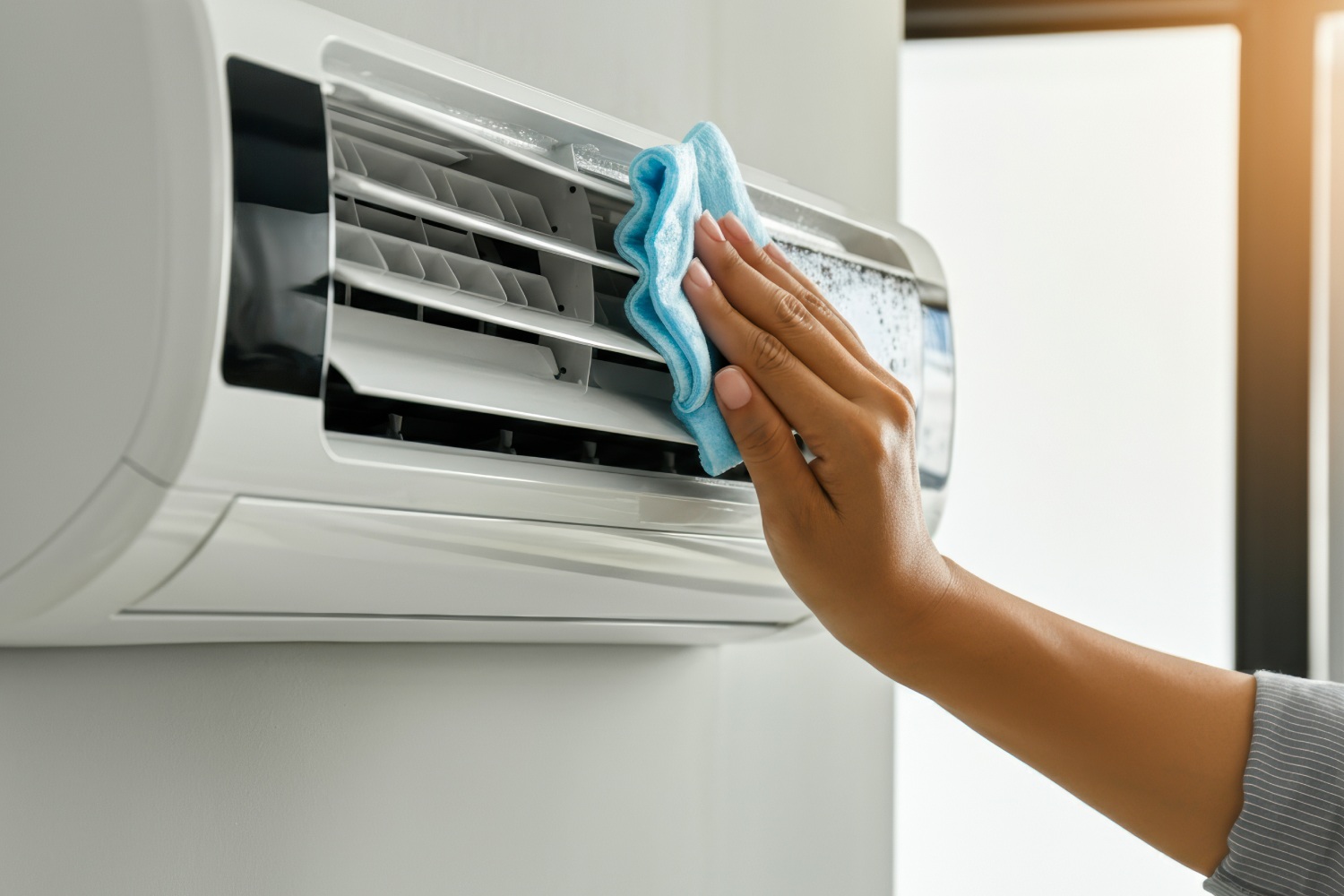
Cold air blowing from your furnace may be due to thermostat errors, clogged air filters, blocked vents, condensate drain clogs, ignition or pilot light issues, overheating, leaky air ducts, a faulty flame sensor.
In many cases, the problem starts with airflow restrictions that cause the furnace to overheat and shut down, leaving only the fan running and pushing unheated air through your vents.
Another common culprit is the ignition system. If the pilot light won’t stay lit or the electronic ignition/hot surface ignitors fail, your furnace won’t generate heat even though the blower keeps circulating air.
Gas supply interruptions or dirty burners (or a cracked heat exchanger) can also prevent proper heating. If simple steps like changing the air filters, checking thermostat settings, or ensuring vents are open don’t solve the issue, it’s best to call TC HVAC for a licensed HVAC technician. Ignoring the problem can shorten your system’s lifespan, waste energy, and leave your home uncomfortable during the colder months.
What are Common Reasons a Furnace Won’t Start?
A furnace may not start due to thermostat issues, power supply problems, or a tripped circuit breaker. Other causes include dirty air filters, ignition or pilot light failure, gas supply interruptions, or safety switch shutdowns. For electric furnaces, electrical malfunctions are also common.
If basic checks don’t help, professional HVAC repair services are recommended.
Common Reasons a Furnace Won’t Start
Furnace startup problems often stem from simple issues, but they can also indicate more significant failures such as a cracked heat exchanger or failing draft inducer. Addressing these problems early helps you avoid costly repairs and maintain a comfortable home.
Why Does My Furnace Keep Shutting Off?
A furnace that keeps shutting off, also known as short cycling, may be caused by dirty air filters, thermostat issues, or overheating from restricted airflow. Other causes include faulty flame sensor, oversized systems, or blocked vents. Frequent shutdowns increase repair costs and shorten system longevity, making regular inspections essential.
Possible reasons your furnace is shutting down:
Frequent shutdowns can strain your system, increase wear and tear, and lead to higher energy bills. By changing air filters regularly, ensuring proper thermostat placement, and keeping vents clear, you can prevent many of these issues. Professional seasonal maintenance services provide added peace of mind and extend your furnace’s lifespan.
Why Does My Furnace Smell Burnt?
A furnace may smell burnt when dust burns off after months of inactivity, which is a common occurrence at the start of the heating season. Persistent burnt smells can indicate overheating, electrical issues, or even fire hazards. If you suspect wiring issues, a cracked heat exchanger, or carbon monoxide risks, shut off the system and call TC HVAC immediately.
When you notice a burning smell from the furnace, any of these reasons could be the culprit.
Should My Furnace Be Running Constantly?
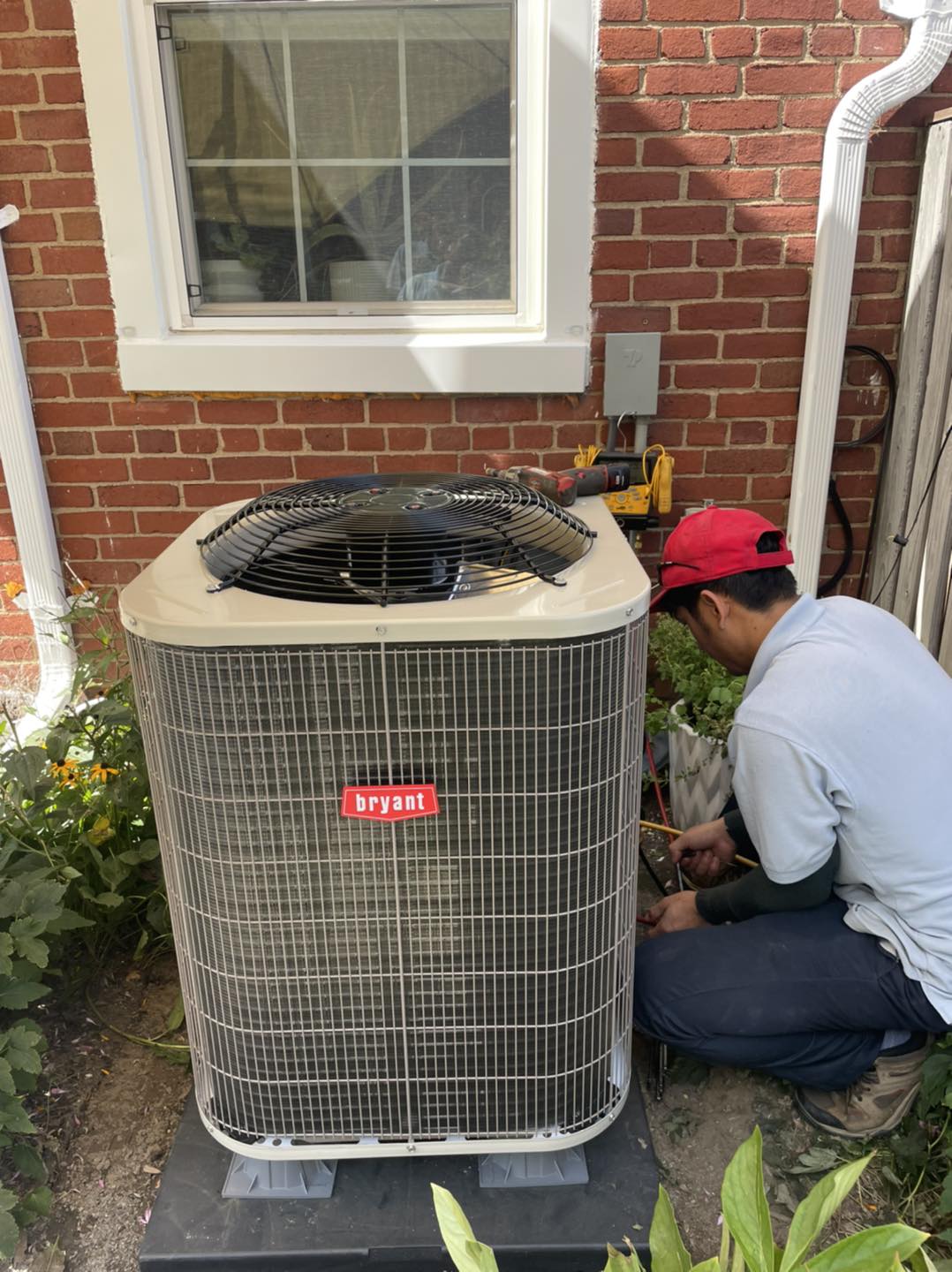
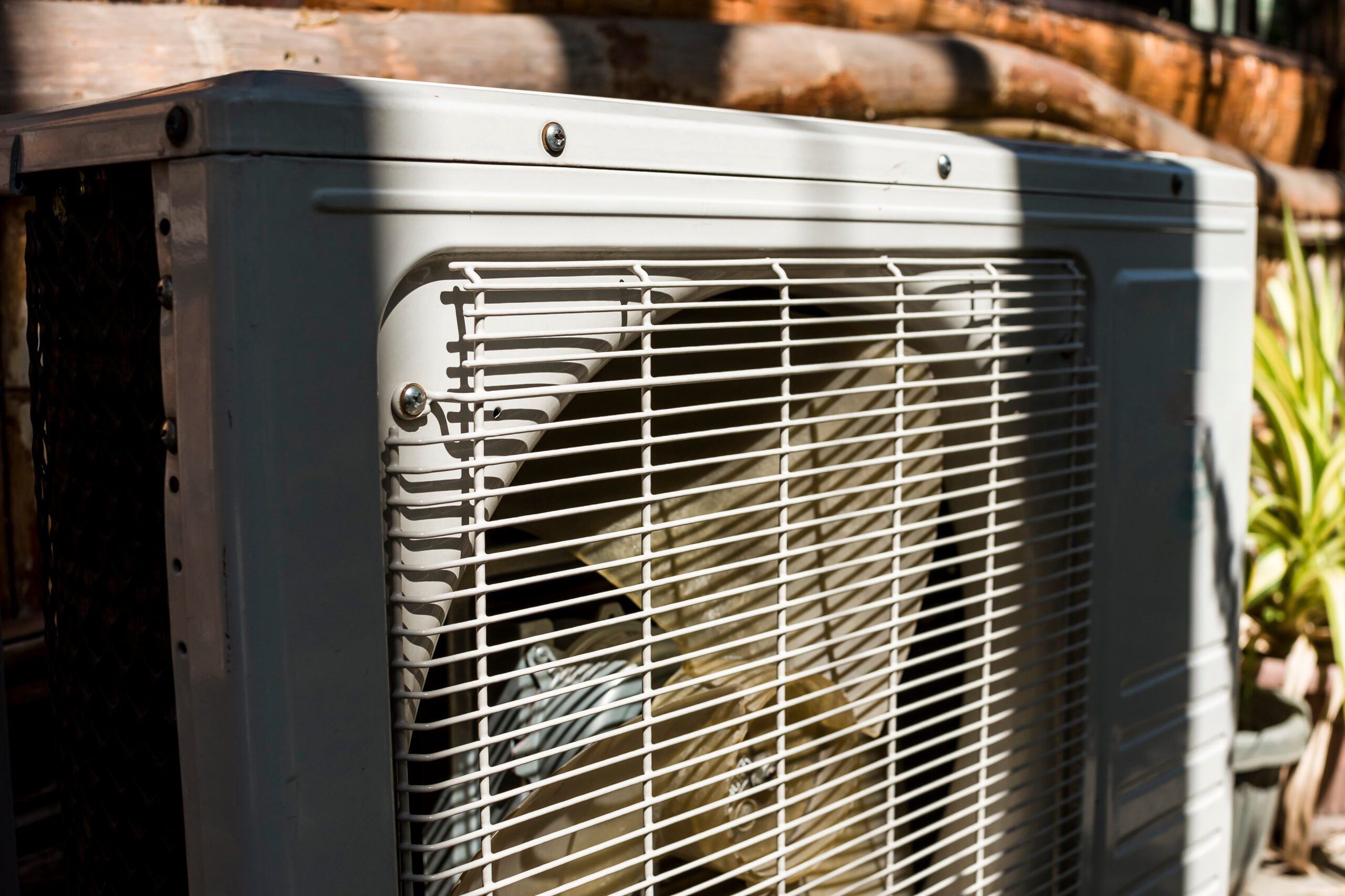
A furnace should not run constantly under normal conditions. If it does, the cause could be a clogged air filter, thermostat setting errors, poor insulation, or an incorrectly sized unit.
Constant operation increases repair costs and wears down your system faster. Regular maintenance checks keep your furnace running efficiently and safely, and ensure proper heat transfer across the heat exchanger tubes.
Stay Warm and Worry-Free with TC HVAC Services
Central heating issues don’t just affect comfort; they can also drive up your energy bill, strain your system, and put your home at risk of costly breakdowns. The good news is that most problems can be prevented with regular maintenance and timely professional care.
TC HVAC Services offers expert inspections, repairs, and seasonal tune-ups, ensuring your heating system remains efficient and reliable — whether you use a gas furnace, heat pump, or ductless mini-splits.
Call us today to schedule your service with certified technicians and make sure your home stays warm, safe, and comfortable all season long.